


5 Things I Didn't Expect when I got Braces at 34
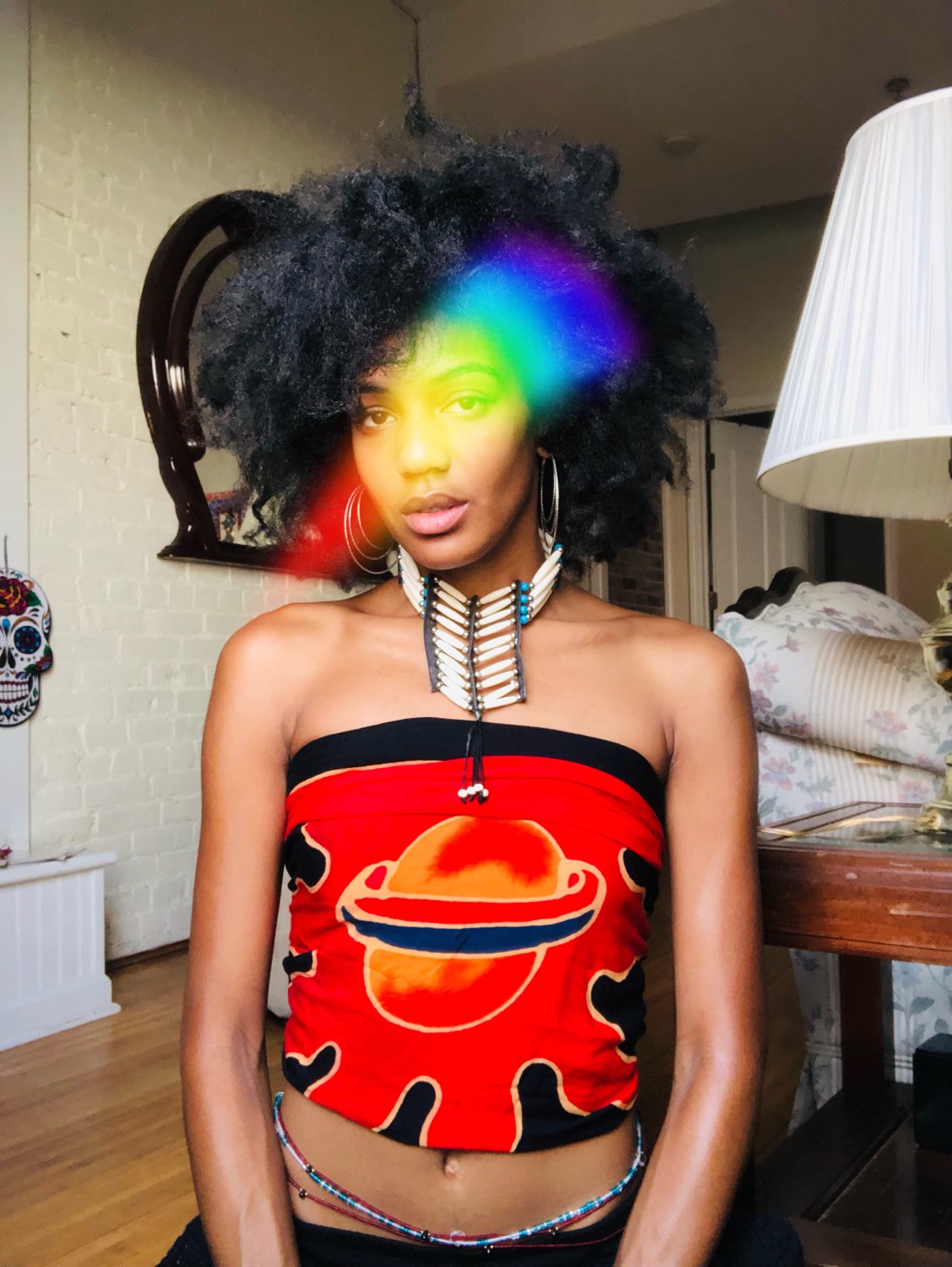

Getting braces at 34 has been one of the more unexpected chapters of my personal style—and self-image—journey. Of course, I expected my teeth to change. That's the whole point, right? What I didn't expect was how many other things would shift alongside them: the shape of my face, the way strangers perceive me, the conversations I have with my students, and even the stories people share with me about their own smiles.
Here are five things I definitely didn't expect when I decided to get braces at 34.
1. How much the shape of my face would change
I guess I could have figured this one out with a little more research. LOL.
But it is really wild to watch the face you've had for the last 20 years slowly morph into something new and unfamiliar. When we think about orthodontics, we tend to focus on the teeth. I wasn't prepared for how much I would pay attention to my entire face throughout the process. Some days I catch my reflection and notice something looks slightly different—the shape of my smile, the way my lips sit, or simply the overall harmony of my features. It's fascinating, but there's also something vulnerable about becoming acquainted with a new version of your own face.
2. That it would start working so fast
I've only had my braces since March, but I can already see a noticeable difference in the positioning of my teeth. One day I was FaceTiming a friend and suddenly thought, Wait…my teeth look straighter. They were noticeably closer together. There is something incredibly satisfying about actually being able to witness the transformation happening in real time. All of those appointments, tightening sessions, food restrictions, and slightly sore mornings are creating something. My smile is changing right in front of me.
3. The attention from twenty-something-year-old men
Now, I want to preface this by saying that I have a pretty strict five-years-older/five-years-younger dating rule for myself. So I am honestly not checking for twenty-something-year-old men. And yet, since getting braces, I have been approached or asked out by men no older than about 25 surprisingly often. I find this fascinating because of how strongly we associate braces with youth. The irony is that access to orthodontic care as a child or young person is a privilege. Braces are expensive, and dental care in the United States can be prohibitively expensive for many families. Plenty of adults didn't have the opportunity to straighten their teeth when they were younger—or simply chose to do it later. Adult braces don't necessarily mean someone is trying to look younger. Sometimes they mean that adulthood finally gave someone the resources, autonomy, or courage to do something for themselves.
4. How supportive my students would be
I walked into my classroom the day after getting my braces fully prepared to get roasted.
If you have—or teach—high-school-aged children, you know exactly what I'm talking about. Instead, as soon as I said good morning, several students yelled:
"MS, DID YOU GET BRACES?!"
And then came the mountain of advice.
They gave me tips for navigating braces, complimented my rubber-band color, told me what foods to avoid, and started sharing their own Smile Journey stories with me.
What I expected to be an opportunity for them to clown me became an unexpectedly tender moment of connection between my students and me. That day, they were the experts and I was the newbie. I loved that.
5. How polarizing adults would be about it
Adults tend to have one of two reactions when they notice my braces.
The first is some variation of:
"Aren't braces for kids?"
Interestingly enough, I had some of those same concerns myself. The day I got my braces, I asked my orthodontist about the "appropriate" age for orthodontic treatment.
She kindly reminded me that it's never too late to have the smile you want—and told me she had put braces on a 65-year-old woman just the week before.
The second reaction is completely different.
People tell me:
"You've inspired me to finally fix my teeth."
Or:
"I used to have braces too!"
And suddenly we're swapping stories.
That leads me to perhaps the biggest surprise of this entire experience: discovering how many people I know whose "perfect" teeth weren't simply something they were born with. I had no idea.
The Smile Journey Is Bigger Than Teeth
Having braces has opened up an entirely new line of connection for me.
People tell me about the braces they had as teenagers. Adults confess that they've been thinking about getting theirs done for years. Someone notices my changing smile and tells me about their own insecurities. My students give me orthodontic survival tips. Complete strangers ask questions. What started as a decision about my teeth has become a much larger exploration of beauty, aging, confidence, access, and what happens when we give ourselves permission to change. Maybe that's what my Smile Journey is really about. Not creating a "perfect" smile. But consciously tending to something I once believed I simply had to accept. And doing it at 34 has made the experience even more meaningful because this time, I chose it for myself.
Join My Smile Journey 💫
I'm documenting the emotional, aesthetic, and very real experience of transforming my smile as an adult—and I'd love to bring you along.
My Smile Journey is a free email series exploring braces, beauty, confidence, self-image, personal style, and what it means to invest in yourself at an age when the world sometimes tells us we should already have everything figured out.
If you're transforming your own smile, considering adult braces, seeking resources to make it happen or simply navigating a season where you're learning to see yourself differently, this journey is for you.
Your smile can change. Your relationship with yourself can, too.


Comments